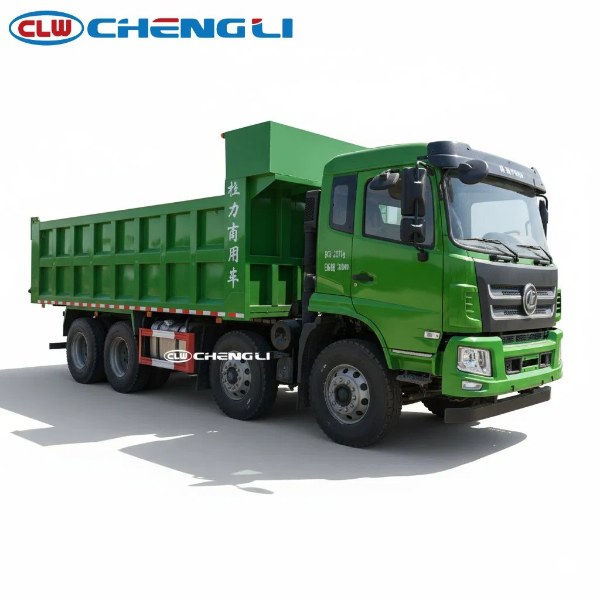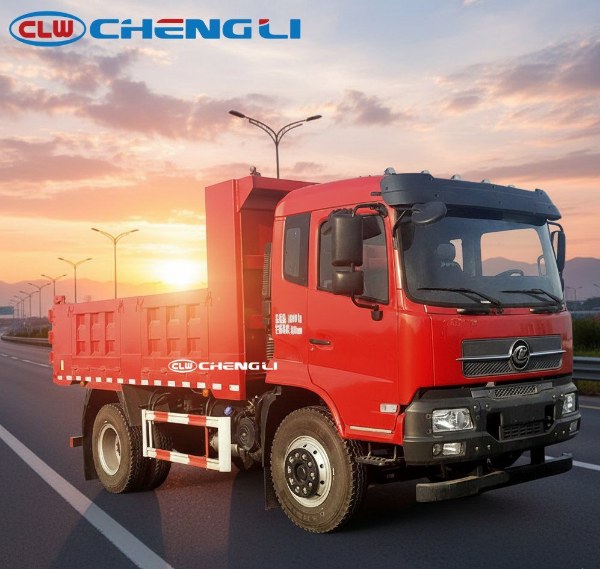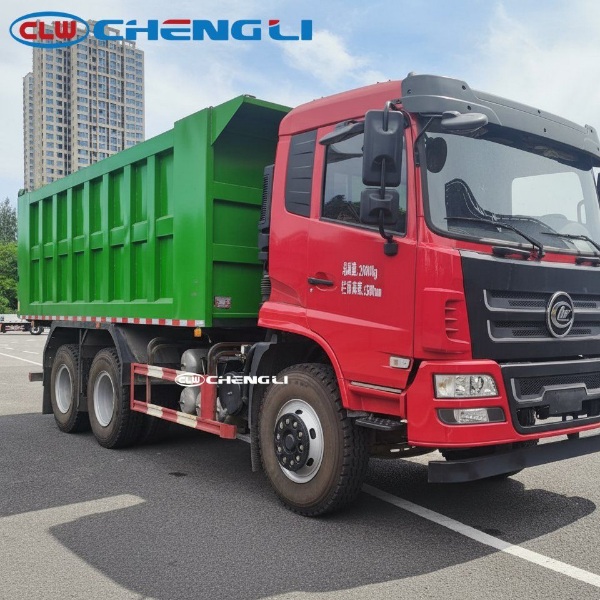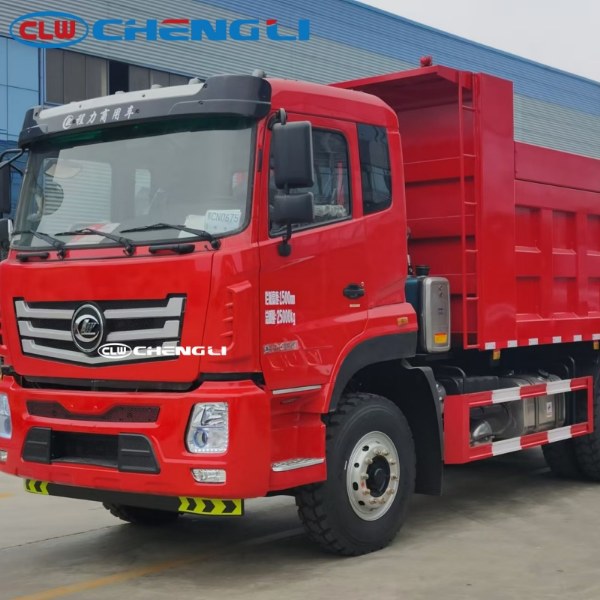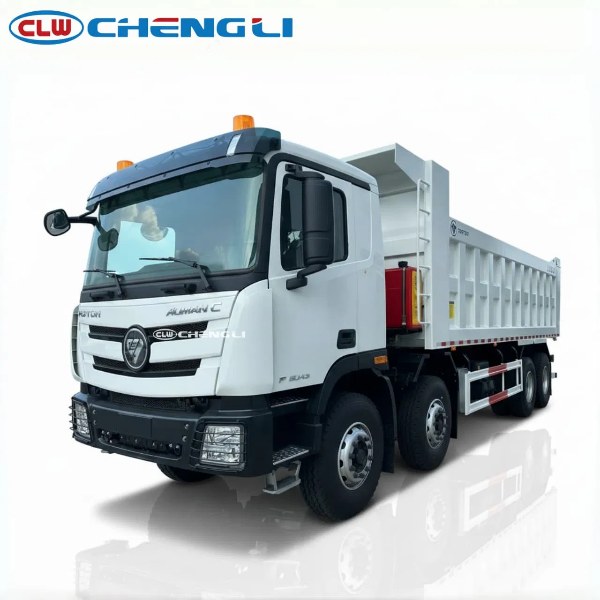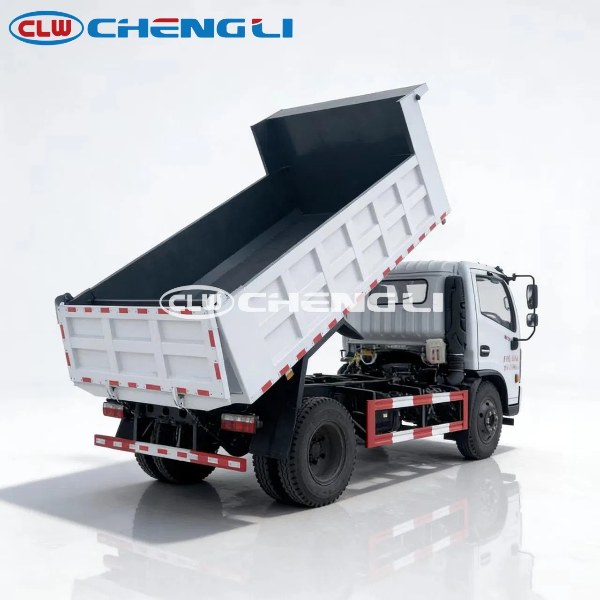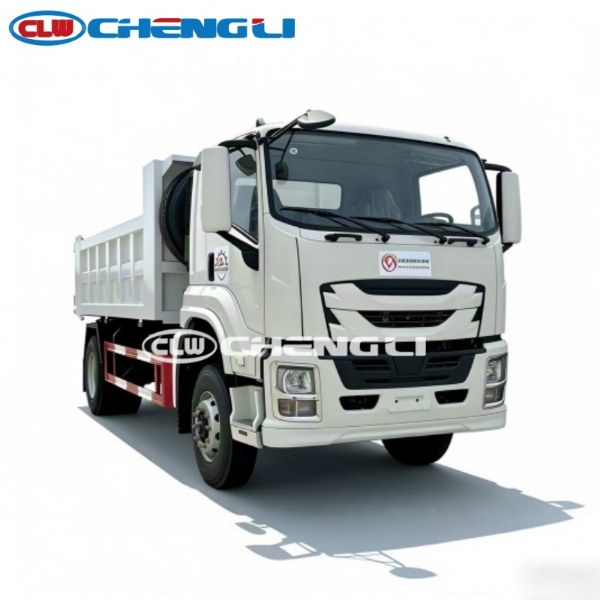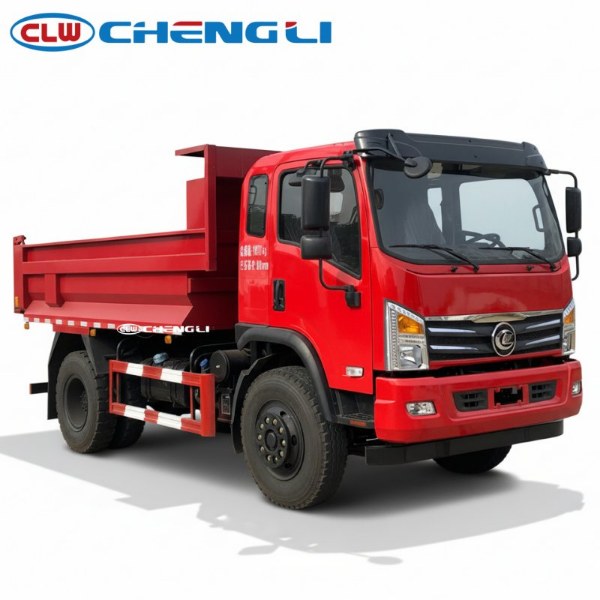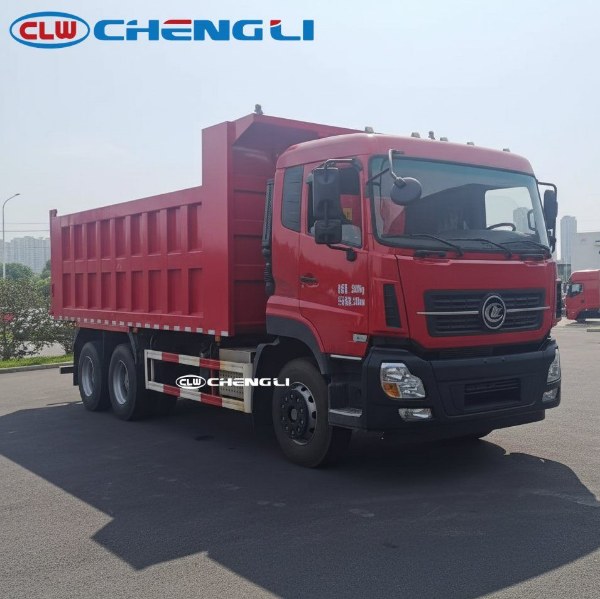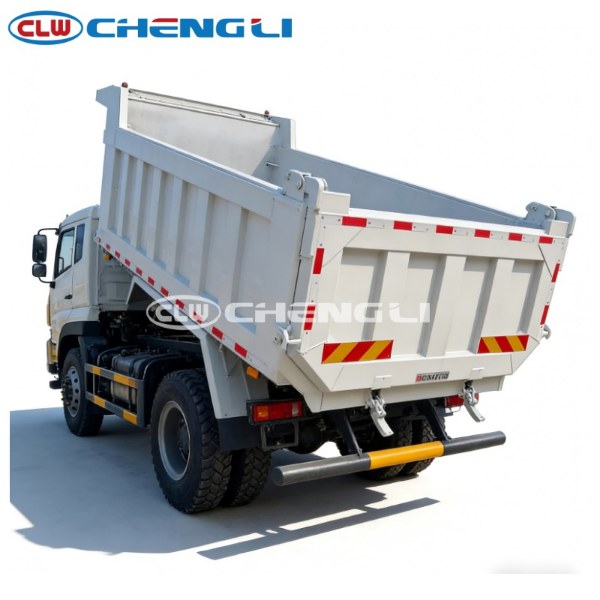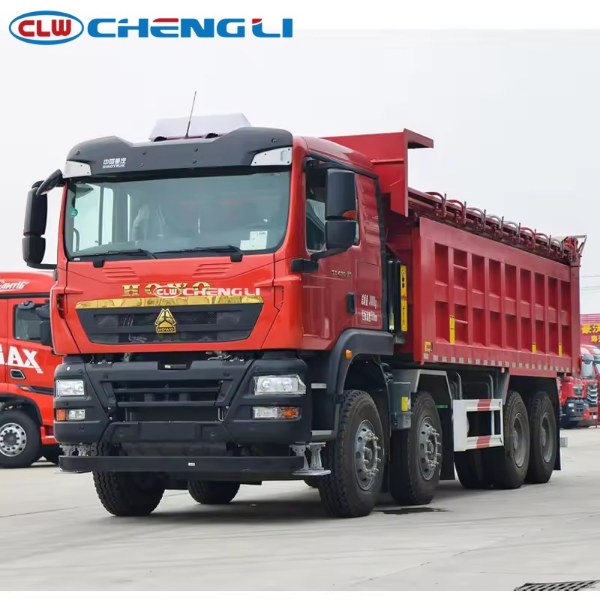
Sinotruk HOWO TX 8×4 Dump Truck
Construction and quarry bulk-material haulage
- Drive layout
- 8×4
- Key specification
- Body size and legal payload to be approved for the selected material and chassis
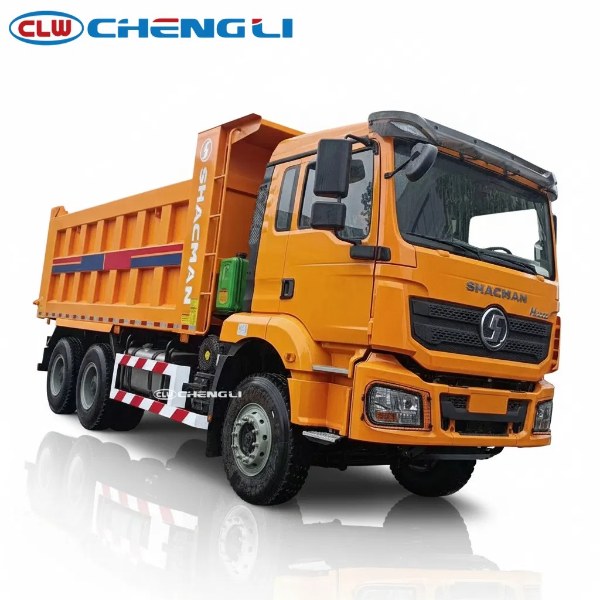
Vehicle category
Compare dump trucks and tipper trucks for sand, gravel, earth and quarry haulage. Chengli Group offers project customisation and OEM/ODM services. Choose the chassis, body and tipping system around your payload, route and unloading conditions.
Vehicle families
Construction and quarry bulk-material haulage
Bulk material haulage for construction, earthworks or quarry operations
Bulk material haulage and tipping on a planned construction or quarry route.
Bulk material transport and tipping on a defined quarry or construction route.
Construction material transport
Bulk material haulage on a defined construction, quarry or site route
The EQ1100SJ8EDF is a 4×2 dump truck with a 12 m³ body and 9,900 kg GVW, built for worksite haulage.
Compare HOWO and Sinotruk configurations by chassis class, body size and route. The vehicle pages provide the specifications for each configuration; a model name alone does not establish usable payload.
Start with the material, expected payload, daily distance, gradients and unloading surface. Body volume, payload and gross vehicle weight describe different things: compare the individual specifications rather than treating one as a substitute for another.
A starting point for road-based deliveries and sites with restricted access. Check the body length, turning space, axle loads and required payload for the chosen model.
A three-axle option for routes where an additional axle is useful but two driven rear axles are not required. Match traction needs and axle loading to the route.
Compare this layout for construction and quarry haulage where driven rear axles are useful. Body steel, suspension, tyres and tipping stability remain configuration-specific choices.
Consider a four-axle configuration when the project needs a larger body or different load distribution. Access, permitted axle loads and the completed vehicle specification determine suitability.
An option for routes needing driven front and rear axles. Review the terrain, tyre specification, gradients and unloading position; all-wheel drive does not remove tipping stability limits.
Sand, gravel, soil and rock place different demands on volume, wear resistance and discharge. Choose the body dimensions, plate thickness, liner, tailgate and hydraulic arrangement together with the chassis.
Chengli Group offers project customisation and OEM/ODM services. Discuss body dimensions, steel and liners, hydraulic lifting, tailgate design, covers, paint and equipment with the sales team. Chassis make, steering side and powertrain options depend on the compatible chassis available for the project.
For projects in Nigeria, Ghana, Kenya, Tanzania, Zambia and Zimbabwe, send the destination, intended route and local chassis-support requirements with the vehicle brief. The quotation should identify the complete vehicle configuration and delivery scope.
Reference prices are not FOB or CIF quotations. Final pricing depends on chassis, equipment, quantity and delivery scope.
The chassis, engine and emission specification, body size and steel, hydraulic system, quantity and delivery scope affect the price. To compare offers, request the same vehicle specification and Incoterm, and identify the treatment of freight, insurance, taxes and destination charges.
Send the material, target payload, preferred drive layout, steering side, quantity and destination port. Include body requirements or a tender specification where available.
Request a quoteThe terms often refer to the same self-unloading vehicle. Compare the chassis and body specification rather than choosing by the regional name alone.
Not necessarily. Body volume describes space; payload describes cargo mass. Material density, completed vehicle mass and axle limits determine how much material the vehicle can carry.
Yes. Body dimensions, steel, plate thickness, covers, tailgate and lifting equipment can be specified for the job, subject to chassis compatibility and the agreed technical design.
Provide the intended material, payload, chassis preference, drive layout, steering side, body specification, quantity and destination. Ask the quotation to state the Incoterm and which delivery costs it includes.
Compare real tipper body dimensions, material-density references and a worked mass budget to see when space or cargo mass limits the load.
Compare five HOWO and Sinotruk dump trucks by drive layout, body requirements and reference price. Match the complete vehicle to the material and route.
Compare 6×4 and 8×4 tipper configurations by route, body, axle loading and unloading conditions—not axle count alone.
Project inquiry
Send the material, target payload, preferred drive layout, steering side, quantity and destination port. Include body requirements or a tender specification where available.