Begin with the concrete delivery cycle
Browse the relevant vehicle category
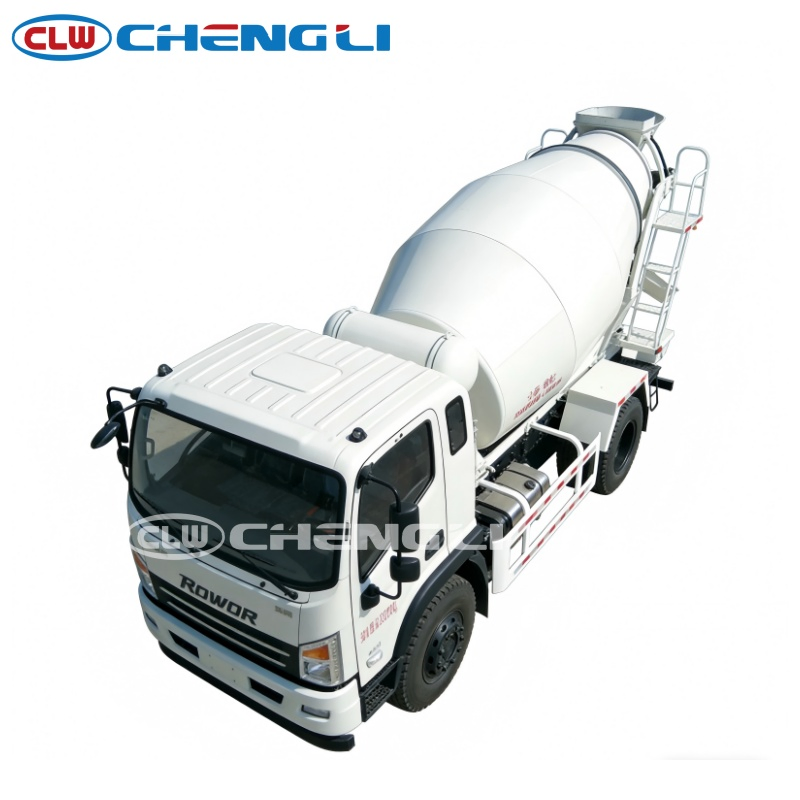
Choose a concrete mixer truck by matching the drum specification, chassis and delivery cycle, not by selecting the largest capacity in a headline. Describe the batch required at the pour, the distance from the batching plant, site access and the discharge arrangement. Include the number of trips available within the shift. Chengli Group supplies configurable mixer vehicles and OEM/ODM options. The useful comparison is a complete vehicle matched to the concrete operation, with its mixing equipment and loaded condition considered together.
A catalogue drum-volume figure is not automatically the usable concrete batch. Geometric drum volume, water volume and nominal concrete filling can be different measurements. Ask which meaning applies to the proposed drum before comparing two numerical values. The following table retains each available drum specification without converting it into a promised delivered quantity. The broad 5,001–10,000 L entries remain a range, rather than being silently changed into an exact ten-cubic-metre model.
| Vehicle | Drive | Drum specification | USD reference price |
|---|---|---|---|
| Foton BJ5184GJBJPFA-01 4×2 4 m³ Mixer Truck | 4×2 | 3.99 m³ | USD 10,000–28,000 |
| Dongfeng DFZ5181GJBSZ6D 6×4 Mixer Truck | 6×4 | 5.98 m³ | USD 10,000–28,000 |
| ZZ5317GJBV296HF1L 8×4 LNG Concrete Mixer Truck | 8×4 | 7.74 m³ | USD 10,000–28,000 |
| Foton BJ5319GJBEV2C 8×4 Electric Mixer Truck | 8×4 | 7 m³ | USD 10,000–28,000 |
| ZZ5313GJBV3061Z1BEV 8×4 Electric Concrete Mixer Truck | 8×4 | 7.96CBM | USD 10,000–28,000 |
| Chengli CL5240GJB6ST 8×4 Concrete Mixer Truck | 8×4 | 5001-10000L | On request |
| Chengli CLH5310GJBL6 8×4 Concrete Mixer Truck | 8×4 | 5001-10000L | On request |
| Chengli CLH5311GJB2FCEV 6×4 Concrete Mixer Truck | 6×4 | 5001-10000L | On request |
Reference prices are not FOB or CIF quotations. Three configurations are priced On request in this guide; their individual product pages are not changed by this comparison. The table is a shortlist, not a claim that all these trucks have the same completed mass, equipment or operating cost. For a firm offer, identify the chosen chassis and drum together and specify the complete commercial scope.
Match the drum and chassis before comparing capacity
The Foton 4×2 provides a compact starting point with a 3.99 m³ drum specification. The Dongfeng 6×4 comparison uses 5.98 m³, while the LNG 8×4 comparison uses 7.74 m³. These examples show why a buyer should compare the actual model rather than infer one standard drum from a drive notation. Review access, turning space, loading position and discharge height alongside the proposed batch. A larger drum can be unsuitable where the site cannot accommodate the completed vehicle.
Concrete density and the installed equipment affect loaded mass. Review the complete vehicle's allowable gross mass, axle loads and working batch as one calculation. Do not subtract an assumed chassis weight from a headline mass to create a payload. The mixer body, hydraulic equipment, water system, fuel or energy storage and crew all belong in the completed-vehicle assessment. A clear quotation should distinguish the drum's volume measurement from the permitted operating fill for the selected build.
Discharge is also a purchasing decision. State whether the truck will discharge directly into a form, feed a pump or unload into another handling system. Specify chute requirements and the access needed by the receiving equipment. Drum drive, controls and washing arrangements affect the operation, but a brochure discharge rate is not a guaranteed total site cycle. Loading queues, travel, positioning and cleanup all contribute to the number of deliveries achievable in a shift.
Compare diesel, LNG and electric operation practically
The range includes diesel, LNG and electric mixer configurations. These are different energy arrangements, not three levels of quality. A diesel truck should be considered against available refuelling and servicing. An LNG truck requires a workable LNG refuelling plan. An electric truck needs charging infrastructure, available electrical capacity and enough time in the operating schedule to recharge. Choose the energy arrangement only after describing the vehicle's route and the depot arrangements available to the fleet.
The electric examples include the Foton BJ5319GJBEV2C and the ZZ5313GJBV3061Z1BEV. Their drum specifications are 7 m³ and 7.96 m³ respectively. These figures do not establish identical working range or batch performance. Ask how traction energy and mixer operation are supplied, and assess the duty cycle with the offered battery and charging equipment. Do not assume a universal distance between charges or treat another fleet's charging routine as a guarantee for your project.
For any powertrain, plan who will maintain the chassis and who will support the mixing equipment. Ask for the relevant parts lists and operating documentation with the purchase specification. Avoid selecting a less familiar energy system solely because its initial price looks attractive. A truck that fits the batch but lacks a practical refuelling or charging arrangement cannot fulfil the intended delivery cycle. This is a project-planning question, not a country-wide assumption about infrastructure.
Compare price factors and send a clear enquiry
Mixer pricing depends on chassis selection, drum and drive equipment, controls, washing system and specified options. The energy arrangement also changes the equipment being compared. A repeated reference-price range does not mean that two configurations are identical or interchangeable. Use it to start a discussion, then compare written offers for the same batch requirement, chassis, installed equipment and delivery scope. Do not add a price to a model marked On request simply because a neighbouring model has one.
Send the required concrete batch, route distance and conditions, loading and discharge arrangement, quantity and destination. Include preferred chassis, drive layout, steering side and available refuelling or charging facilities. Explain any restricted access or fleet-standardisation requirements. The response should identify the agreed model and drum measurement, completed mass assessment, equipment and commercial basis. This makes the comparison useful to operations staff as well as purchasing, instead of reducing the decision to a drum number and a price.
Start with the concrete-mixer category and select the models that fit access and energy arrangements. Use the table to prepare questions, not to freeze every configurable detail. A sound mixer enquiry connects the batching plant, truck and receiving operation. When those interfaces are stated clearly, the final specification can focus on the actual delivery job and avoid confusing drum geometry, nominal filling and permitted working load.