1. Match the truck to the order before demonstrations
Start with the vehicle identification number, chassis model and installed equipment identifiers. Compare them with the purchase specification and packing list. Record the tyre arrangement, cab specification, driving side, body type and ordered accessories. Photograph the identification plates clearly enough for the receiving team to read them. A chassis badge alone does not identify the whole completed vehicle or every component fitted to it.
Walk around the stationary vehicle with the responsible inspector. Note damage, loose fittings, visible leaks, unsecured wiring, hose routing and missing covers. Check that doors, steps, handholds, mirrors and access points can be used as intended. Compare external dimensions and body arrangements with the agreed drawing where they are inspection items. Do not turn a visual check into a claim that a structure or weld has passed a particular certification test.
Keep a unit-by-unit record for fleet orders. Shared model names do not guarantee identical equipment, and a demonstration on one truck does not close an unresolved item on another. An agreed fleet procurement schedule defines the configuration before inspection starts; the inspection report should then refer to that same schedule and its revision.
2. Inspect the equipment that makes each vehicle different
Use a separate equipment section for each truck type. This comparison links three actual configurations and shows why one generic tick box for the upper body is insufficient.
| Vehicle | Equipment identification | Checks to include in the agreed inspection |
|---|---|---|
| Sinotruk HOWO TX 8×4 dump truck | Rear-discharge tipper arrangement with front-mounted tipping cylinder | Body and tailgate condition, supports, hose routing, controls and stowed position |
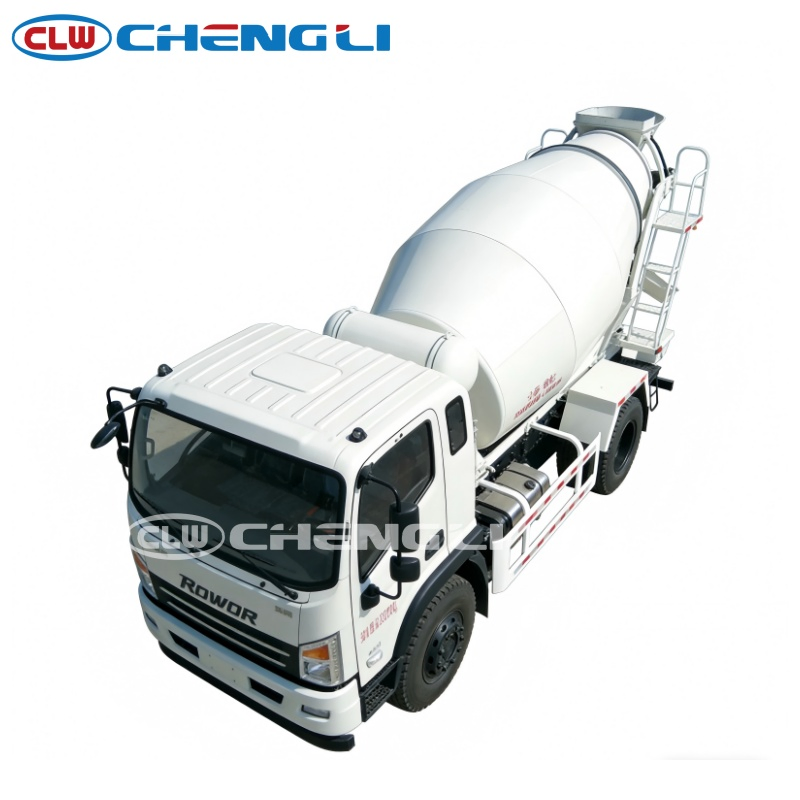
| Foton BJ5184GJBJPFA-01 mixer | 4×2 concrete mixer; 3.99 m³ drum | Drum and chute arrangement, guards, controls, access and the supplied operating instructions |
| HOWO TX 6×4 fuel supply truck | 18–21 m³ nominal tank range | Actual tank arrangement, outlet and hose equipment, labels and equipment matching the order |
For a tipper, compare the tailgate, body hinges, cylinder arrangement and body support equipment with the drawing and manual. Keep people clear of moving equipment. Access beneath a raised body requires the support and isolation arrangements specified for that vehicle; an inspection checklist is not permission to enter a hazardous space.
For a mixer, inspect the drum, chute attachments, guards and accessible service points. Ask the supplier to demonstrate the agreed controls through its documented procedure. Do not equate drum volume with a guaranteed concrete load. For a fuel vehicle, reconcile the actual tank build and any dispensing equipment with the order. An empty stationary inspection cannot establish fuel compatibility, calibration or approval for a particular operation.
3. Observe agreed functions without inventing test limits
Have the supplier's responsible personnel demonstrate the functions covered by the inspection agreement. Before a demonstration, establish the operating procedure, work area and exclusions. Keep the operator, inspector and camera positions clear of moving bodies, chutes, hoses and other equipment. Stop and record the issue if a control or warning does not behave as described in the manual.
For hydraulics, record the condition of visible hoses, connections, cylinders, guards and accessible fluid indicators. Observe for visible leakage during the agreed demonstration and check that equipment can be returned to its specified transport position. Do not improvise a pressure test, overload demonstration or alternative control sequence to complete a checklist. A pressure reading without the correct procedure and acceptance limit does not prove the system is acceptable.
Check lights, indicators, warning devices, cab controls and instruments against the agreed build. Distinguish a static function check from a road or braking test. If a dynamic test is part of the purchase agreement, identify the competent person, location, procedure and record required before it takes place. Do not substitute a short drive around a yard for a documented test that was actually specified.
4. Reconcile tools, documents and open items before release
Count keys, tools, agreed spares and removable accessories against the packing list. Check their identification and storage arrangement. Record missing items individually rather than accepting an unspecified promise that everything will be supplied later. Confirm that equipment is stowed and secured for the agreed transport method, with access points closed as instructed for shipment.
The handover file should identify the actual truck, fitted equipment, manuals, maintenance information and the inspection record. Ask for the documents agreed in the contract and check that they describe the delivered configuration. This is a handover check, not a universal list of import documents for Nigeria, Ghana, Kenya, Tanzania, Zambia or Zimbabwe. Any destination-specific requirement needs a separate, current check.
Record each discrepancy with a photograph, description, responsible party and agreed next action. Where a correction is made, inspect the correction and update the report before marking it closed. Keep release approval separate from the receiving team's later damage and completeness inspection. Review the construction vehicle range and mixer selection guide when deciding which equipment-specific annexes belong in a future order.